General Information
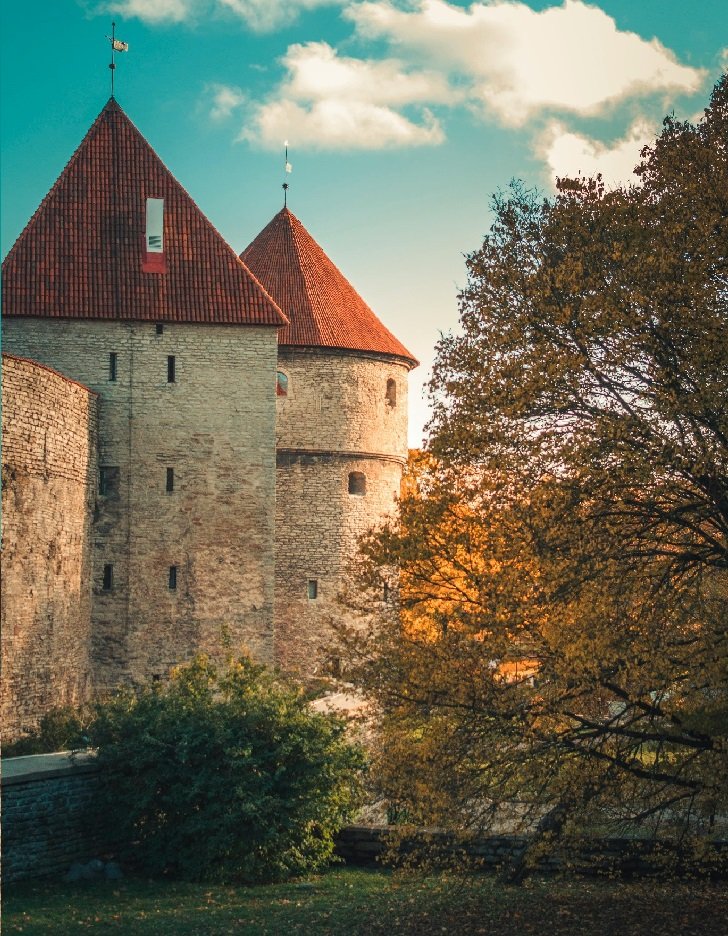
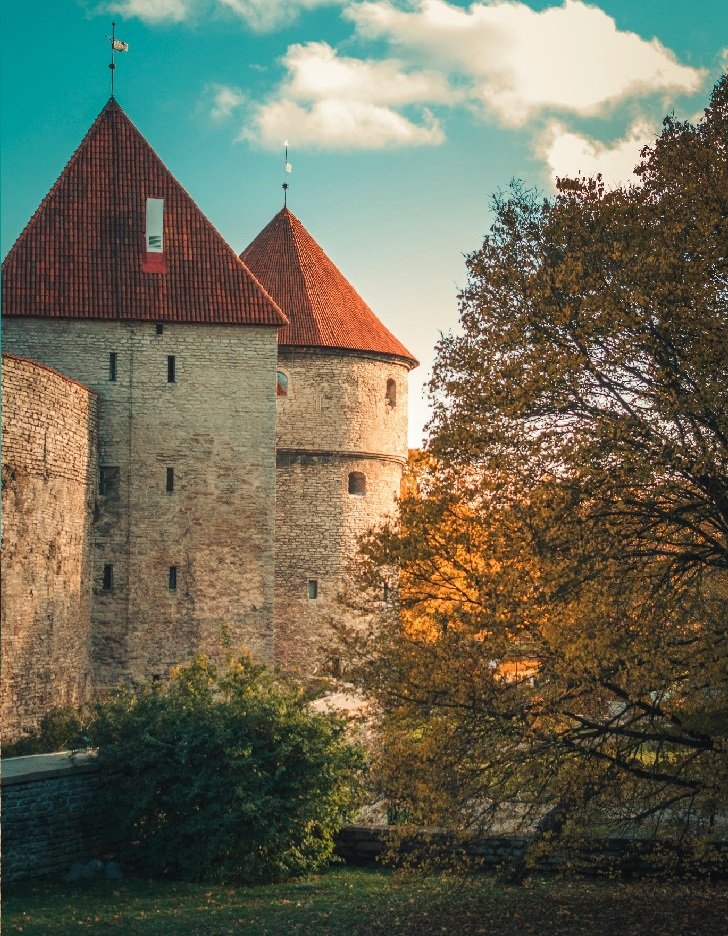
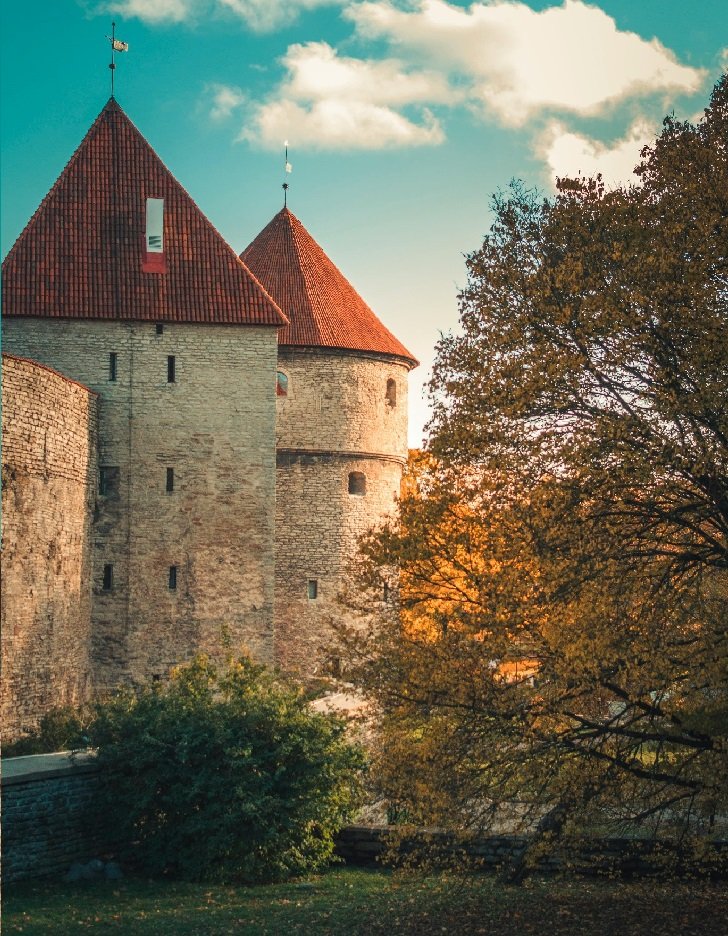
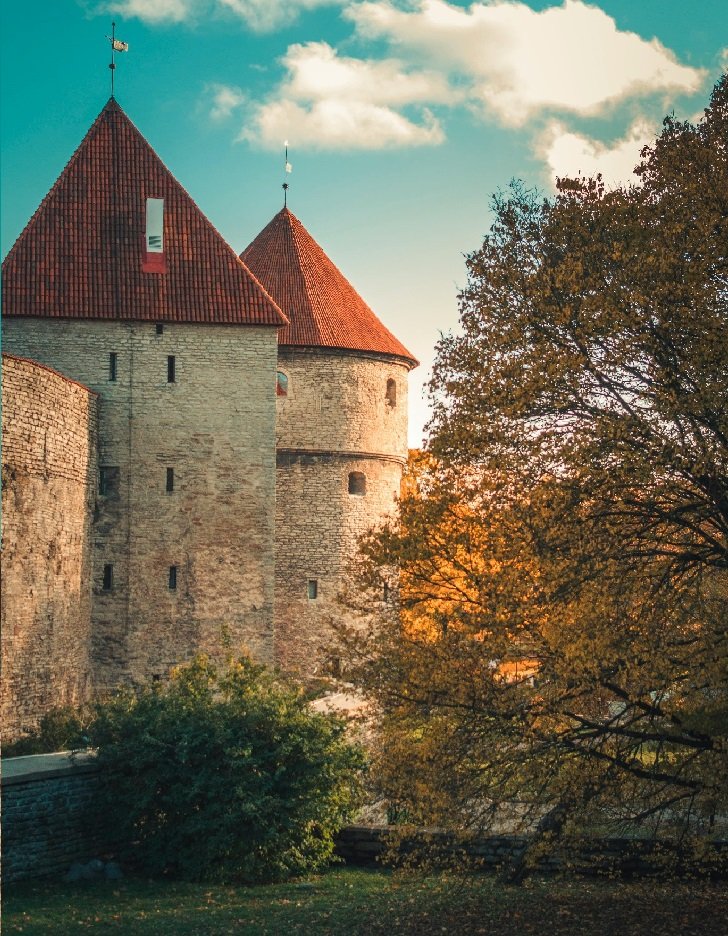
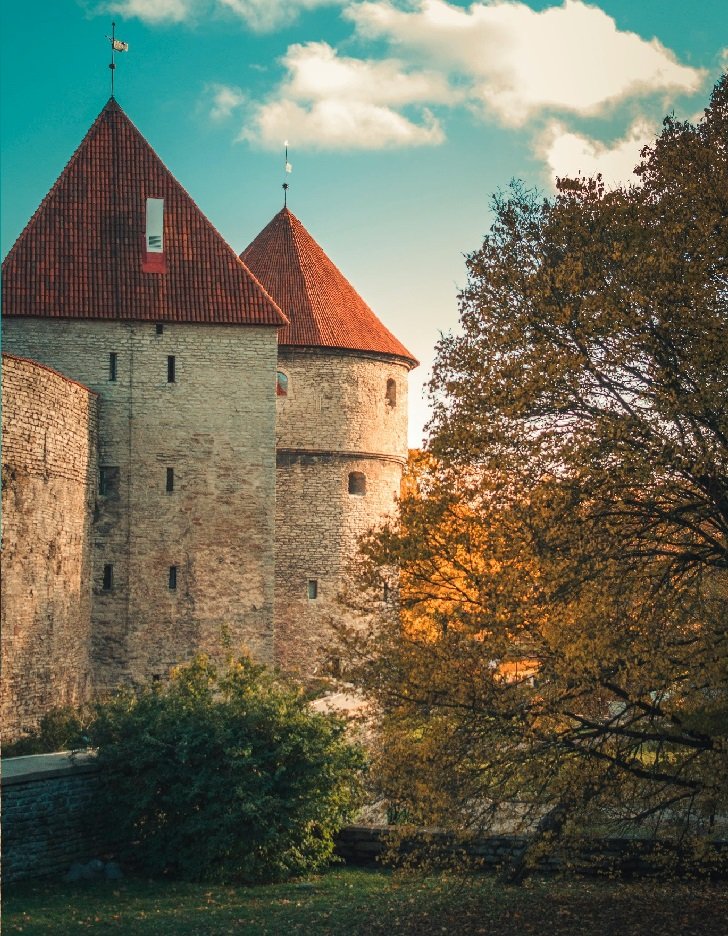
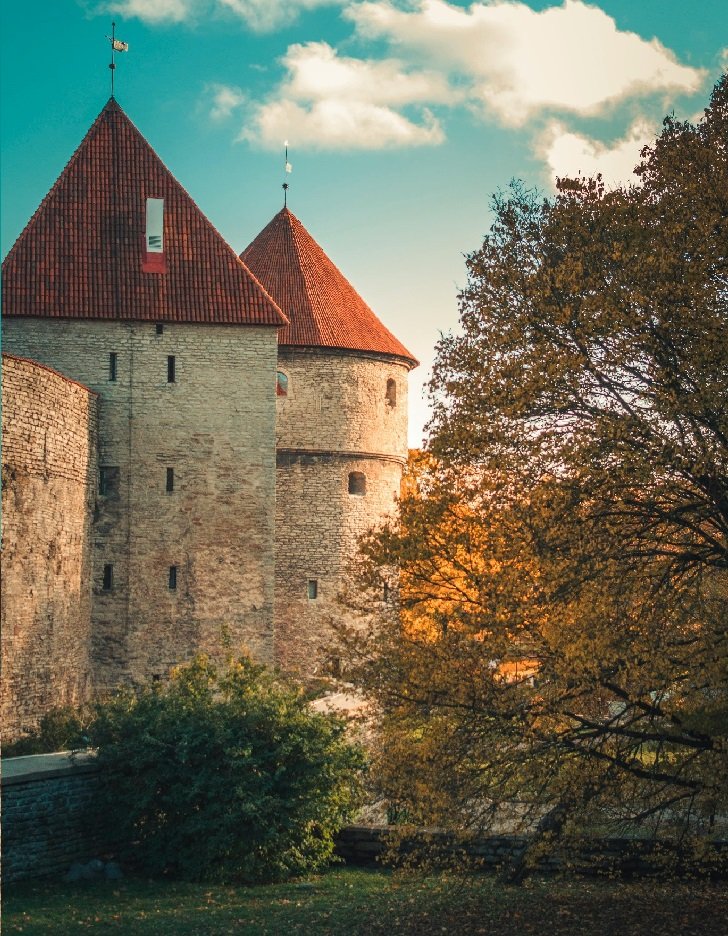
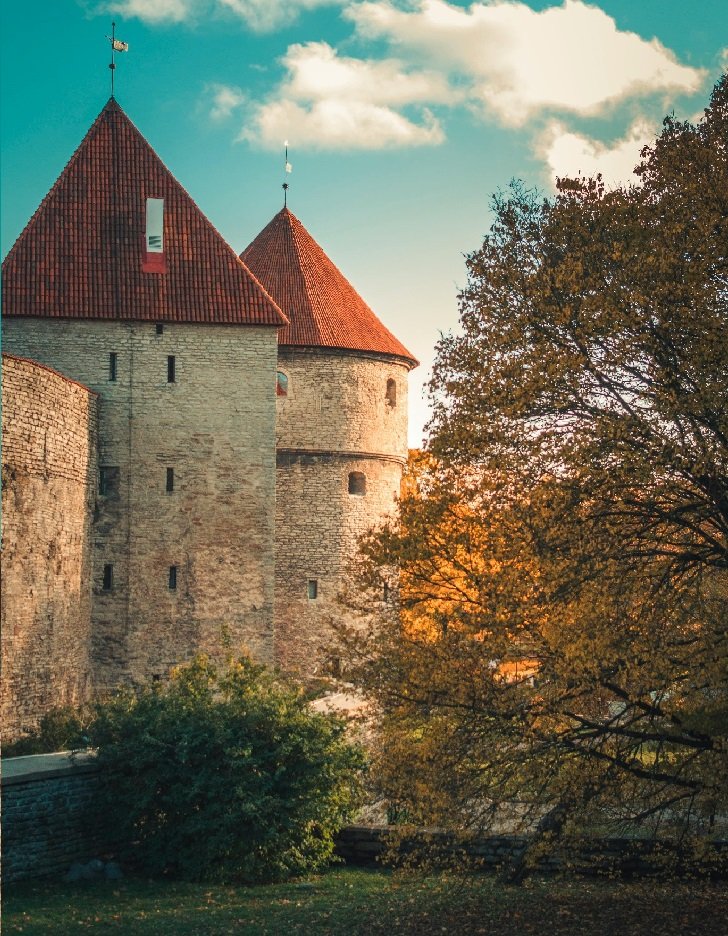
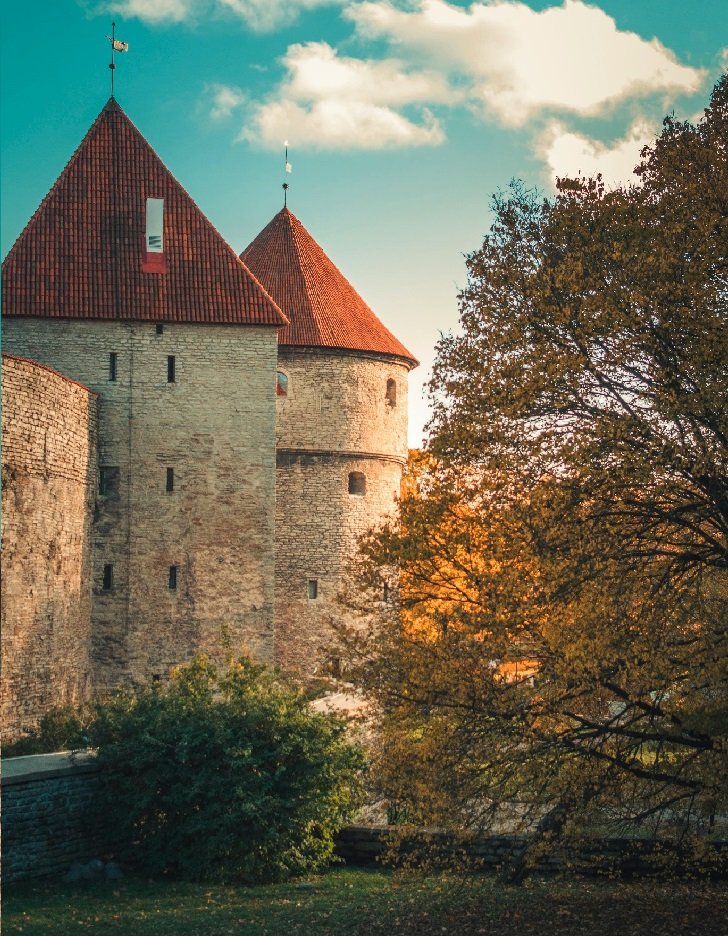
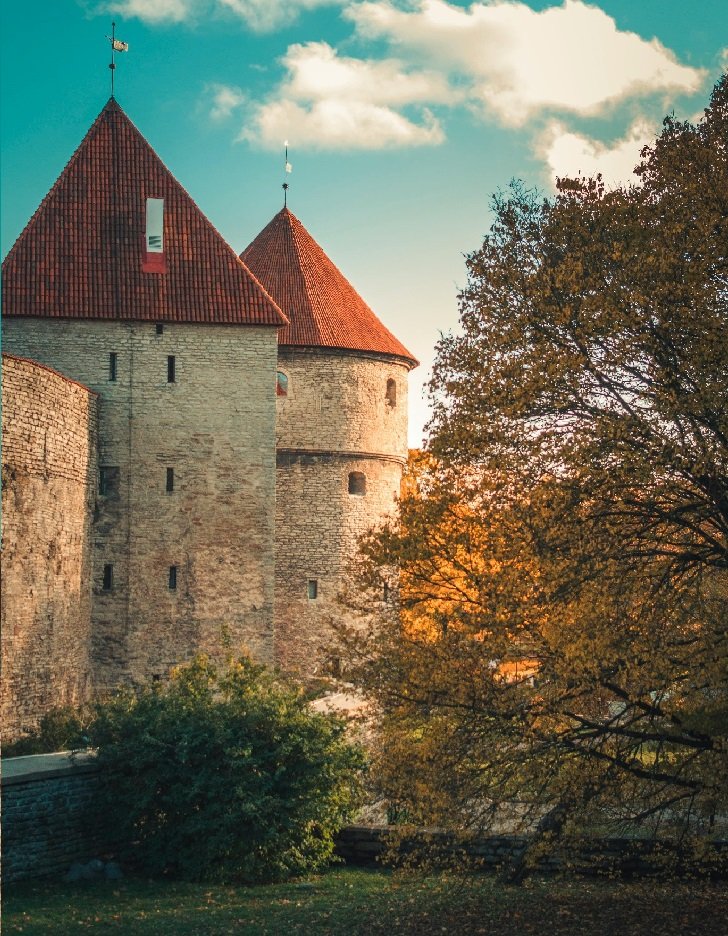
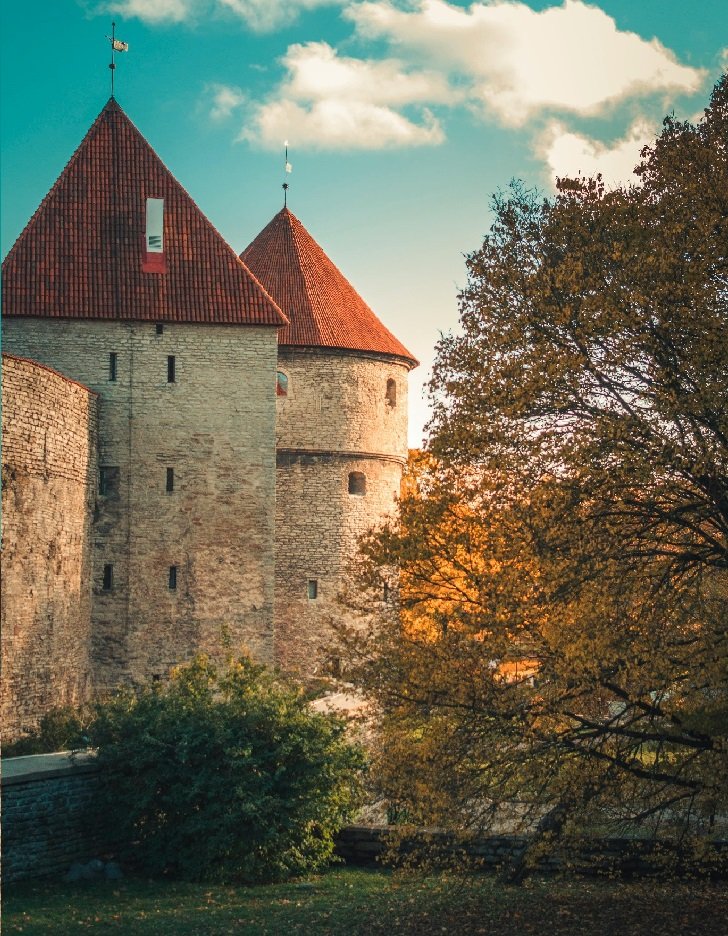
Estonia, officially the Republic of Estonia, is a country in the Baltic region of Northern Europe. It is bordered to the north by the Gulf of Finland across from Finland, to the west by the Baltic Sea across from Sweden, to the south by Latvia, and to the east by Russia. The territory of Estonia consists of the mainland, the larger islands of Saaremaa and Hiiumaa, and over 2,300 other islands and islets on the east coast of the Baltic Sea. Its capital city of Tallinn, along with the city of Tartu, are the country's two largest urban areas. The Estonian language, of the Finnic family, is the official language and the first language of the majority of nearly 1.4 million people. Estonia is one of the least populous member states of the European Union.
- Population: 1,350,000+
- Area: 45,228 km²
- Coordinates: Latitude: 59.416667938232, Longitude: 24.75
- Timezone: Timezone info not available
- Current Local Time: ailab
Latest Estonia News
news | ERR
Financial Intelligence Unit awaits restoration of powers by Riigikogu
A bill aimed at clarifying the Financial Intelligence Unit's (FIU) access to banking data and restoring its ability to conduct on-site inspections has passed its first reading in the Riigikogu.
news | ERR
Kaamos art grant to focus on artists over 60
The Kaamos art scholarship, awarded for the first time last year, is this year intended for artists over 60. The amount of the scholarship is 25,000 euros.
Politics | ERR
Financial Intelligence Unit awaits restoration of powers by Riigikogu
A bill aimed at clarifying the Financial Intelligence Unit's (FIU) access to banking data and restoring its ability to conduct on-site inspections has passed its first reading in the Riigikogu.
Politics | ERR
Government to begin next year's budget talks on Tuesday
The government will begin discussions on next year's budget and the state budget strategy at Stenbock House on Tuesday.
Society | ERR
87 years since Molotov-Ribbentrop Pact marked with memorial events across Estonia
Sunday marked 87 years since the Molotov-Ribbentrop Pact was signed. The agreement, between the Soviet Union and Nazi Germany, paved the way for Estonia's over 50 years of occupation.
Society | ERR
Saaremaa unveils renovated 200‑year‑old Laimjala manor
Saaremaa Municipality has preserved a key piece of local heritage by completing a €3.4 million renovation of the over 200-year-old Laimjala manor house, which now brings a local district center, library, school, and kindergarten together under one roof.
Postimees
VIDEO ⟩ Viis fänni said Hollandi kõrgliiga mängul pürotehnika tõttu vigastada
Hollandi kõrgliigas leidis pühapäeval aset tõsine vahejuhtum, kui Feyenoordi poolehoidjate kasutatud pürotehnika tõttu said SC Cambuuri kodumängul vigastada viis pealtvaatajat.
Postimees
Diislinappus Euroopas lennutas tanklates diislihinna taas kahe euro kanti
Euroopa diislikütuse hinnad on Iraani sõja algusest alates tõusnud 70 protsenti. Kui juunis ja juulis tulid Eestis autokütuste hinnad mai tipust vaikselt alla, siis esmaspäeval kerkis diisliliitri hind tankalest taas pea kahele eurole.
BBC News
Russia's second-biggest online retailer targeted in Ukrainian strikes
Ozon says its warehouses across southern Russia, including in Dagestan and Krasnodar, were hit in the overnight strikes.
BBC News
Crash involving coach carrying German students injures 16
Eight people, including the driver of a delivery van, are seriously hurt, police say.
BBC News
Iran faces 'greatest financial offensive ever', says US treasury secretary
Scott Bessent says the US will sever all economic ties with the country and that any nation partnering with Iran financially will also be isolated.
BBC News
Graduate job vacancies drop by almost 50% in a year, survey suggests
Job site Adzuna said the number of graduate vacancies was the lowest since 2016
POLITICO
Far-left firebrand Mélenchon gaining ground in French presidential race, poll shows
PARIS — Brussels’ nightmare scenario for France’s 2027 presidential election is edging closer to reality. A poll published Monday showed far-left France Unbowed leader Jean-Luc Mélenchon scoring well enough in multiple scenarios to defeat the panoply of more centrist candidates and qualify for the runoff where he’d face far-right frontrunner Marine Le Pen — raising the specter of a battle of extremes in the April contest. France’s presidential election sees the top two candidates advance to a second round if no one scores more than 50 percent of the vote. The survey, conducted by Toluna Harris Interactive for broadcasters M6 and RTL, found Le Pen with a commanding lead of at least 16 points ahead of her nearest competitor in every scenario tested. The National Rally leader has long been the favorite to win, and Mélenchon’s rise raises the risk of a runoff between two candidates who hold deeply skeptical views of the EU and NATO. In one scenario tested, which includes three candidates from the political center, the France Unbowed leader would receive 16 percent of the vote ahead of former prime ministers Édouard Philippe on 14 percent, and Gabriel Attal on 8 percent. Le Pen came in well ahead of all of them with 35 percent. Without Attal in the contest, the poll found Mélenchon and Philippe would be tied for second place at 17 percent each. Moderates have for weeks voiced concern that the field is too crowded and risks ceding the election to the political extremes. “I’ve been warning for months of the likelihood of a face-off between Marine Le Pen and Jean-Luc Mélenchon,” said government spokesperson Maud Bregeon, who is supporting Philippe’s candidacy. “The likelihood of this risk has increased, unsurprisingly.”
POLITICO
Star news anchor steps down as her partner launches French presidential bid
Journalist Léa Salamé said she will temporarily step down from her role anchoring French public television’s primetime news broadcast, the 20h, while her romantic partner, the MEP Raphaël Glucksmann, runs for the French presidency. “The 20h is a strategic platform where interviews with the candidates and campaign reports will be among the highlights of the coming year,” Salamé said in an Instagram post on Monday announcing her decision. “Wherever the campaign takes place, I’ll step aside. Everywhere else, I am and will remain a journalist.” Since taking her seat in the anchor’s chair of the 20h on France TV, Salamé has faced questions over the potential conflict of interest if Glucksmann, who has long signaled his presidential ambitions, were to join the race to replace Emmanuel Macron next year. Glucksmann announced his candidacy Sunday on TF1, France TV’s main competitor when it comes to the evening news. Asked if he and Salamé, who have been together for more than a decade, discussed his potential candidacy, Glucksmann said he understood what his presidential bid meant “for my loved ones and especially my partner.” “As with any couple, when one person’s decision has such a strong impact on the other’s life, we had long conversations,” Glucksmann told TF1. Though France has a history of high-profile working journalists engaged in relationships with politicians, Salamé said at a parliamentary hearing in February that she would step aside if Glucksmann ran for president. And during the last two European elections, when Glucksmann led the center-left Socialist Party’s list, Salamé recused herself from political coverage while co-hosting public radio France Inter’s morning news show. Salamé said that her decision, which was taken in coordination with management, was “both obvious and difficult.” “Obvious, because it stems from the strict code of ethics I have always imposed upon myself,” she said. “Difficult, because I love the news program we have built together night after night for the past year.”
Al Jazeera – Breaking News, World News and Video from Al Jazeera
‘Barrel bomb mufti’ sentenced to life in Syria
‘Barrel bomb mufti’ sentenced to life in Syria
Al Jazeera – Breaking News, World News and Video from Al Jazeera
Saudi Arabia’s MBS visits Macron in France: What to expect
Saudi crown prince and French president are set to sign several agreements on health, transport and energy.
Europe | The Guardian
French police accused of rising use of violence to stop Channel crossings
NGO criticises ‘human cost’ of UK-funded crackdown on attempts to set off from French beaches in small boatsPeople trying to cross the Channel to the UK have reported an increase in French police use of violence on beaches to prevent them from getting into dinghies, according to a French NGO.Utopia 56, which works on beaches from where migrants attempt Channel crossings, says so far this year 2,720 people have reported being victims of French police violence, compared with 1,954 over the same period last year, when crossings overall were much higher. Continue reading...
Europe | The Guardian
Burnham says UK with Ukraine ‘all the way’ despite ‘outrageous threats’ from Russia – Europe live
UK PM hits back at Kremlin comment that sharing long-range missile blueprints will ‘add fuel to fire’ by asking ‘who started the fire?’Here’s the full quote from Kremlin’s Peskov, via AFP:“Britain is methodically and regularly throwing oil on the fire and methodically and regularly plotting schemes to prevent even the slightest progress in the peace process.” Continue reading...
Europe
French finance minister warns tax on big businesses may be extended
Roland Lescure says it would be ‘difficult’ to scrap unpopular surcharge on country’s largest firms
Europe
Ukraine hits Russia’s second-largest online retailer
Kyiv’s drones target Ozon warehouses after weeks of strikes against market leader Wildberries
.jpg)