General Information
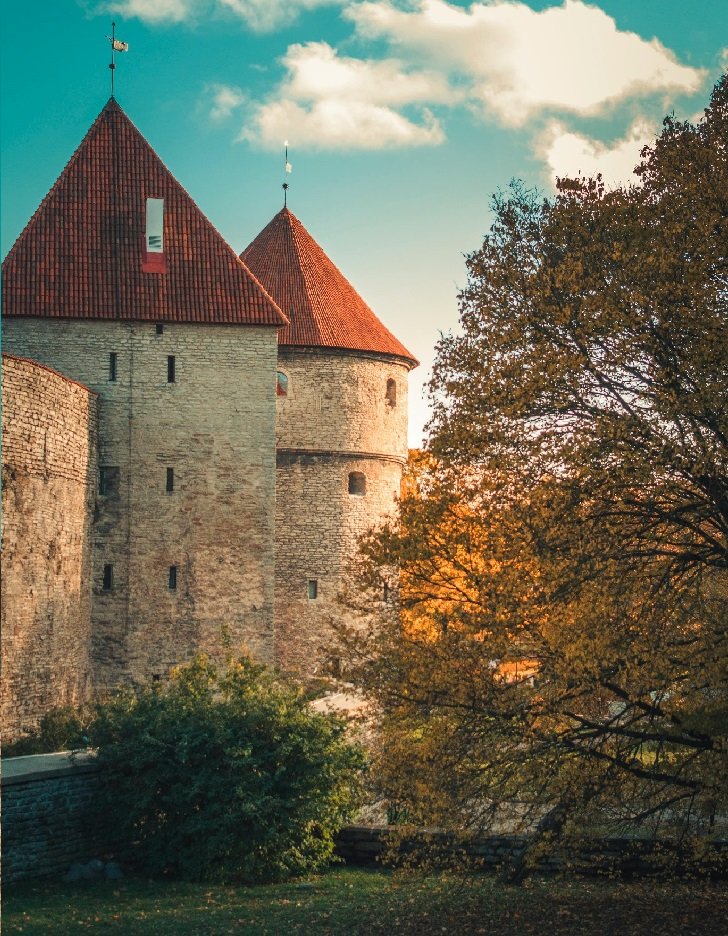
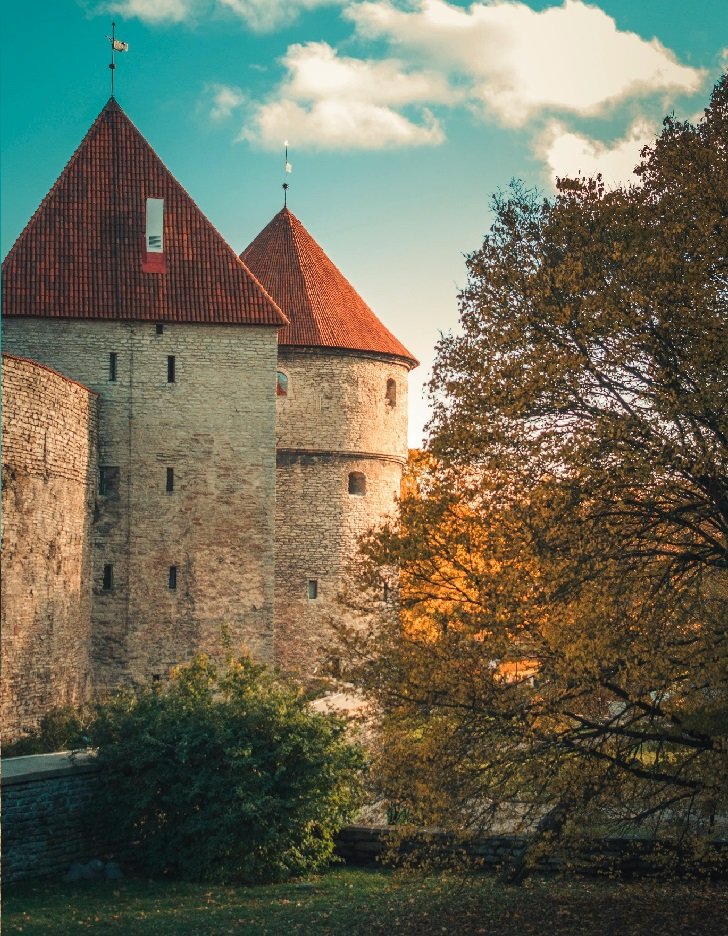
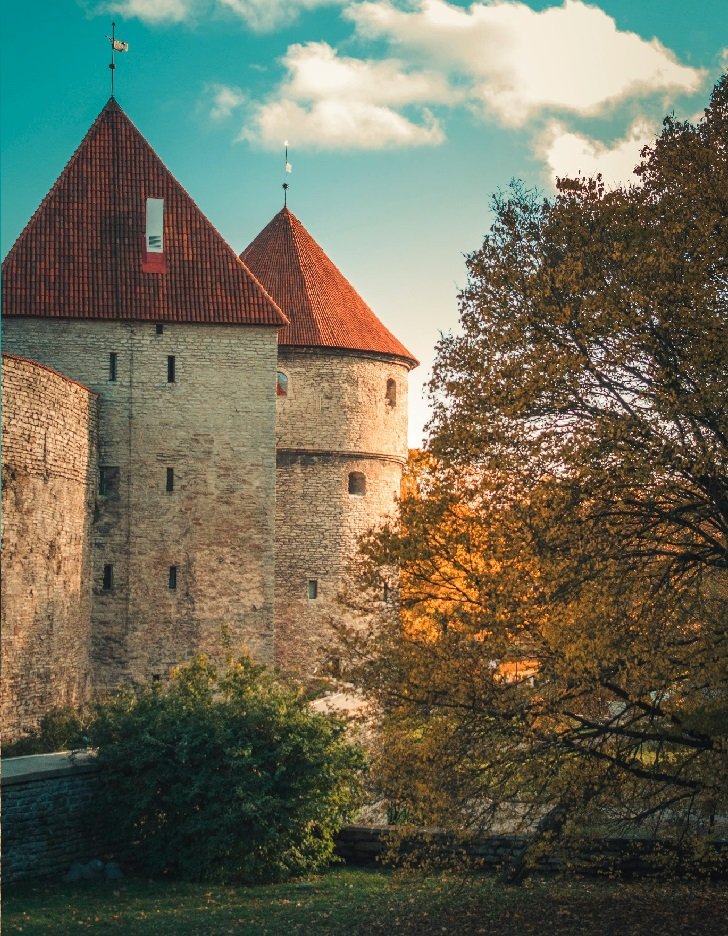
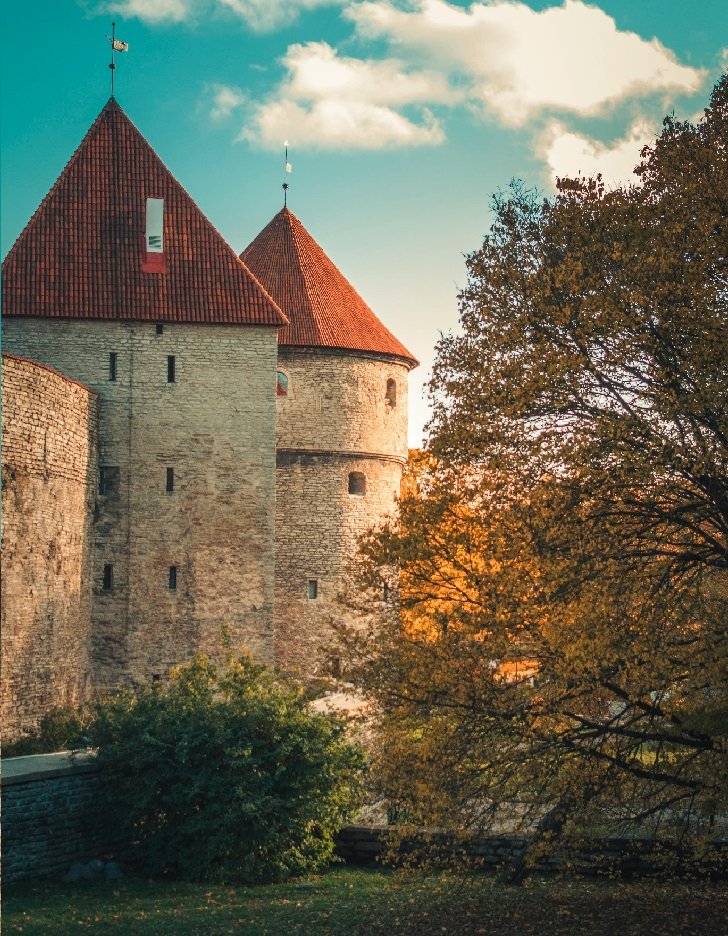
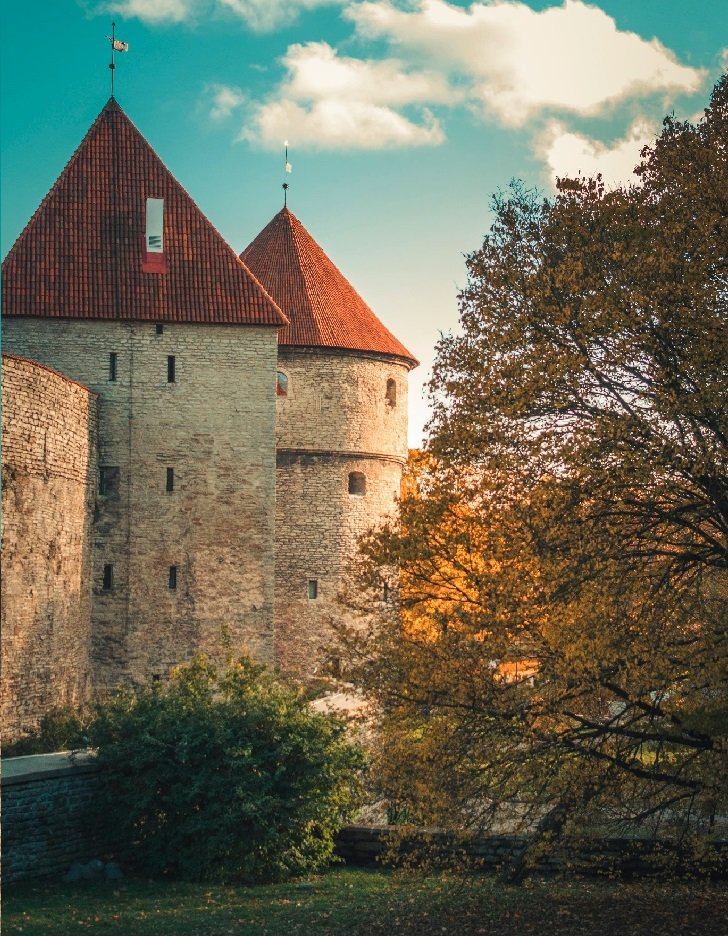
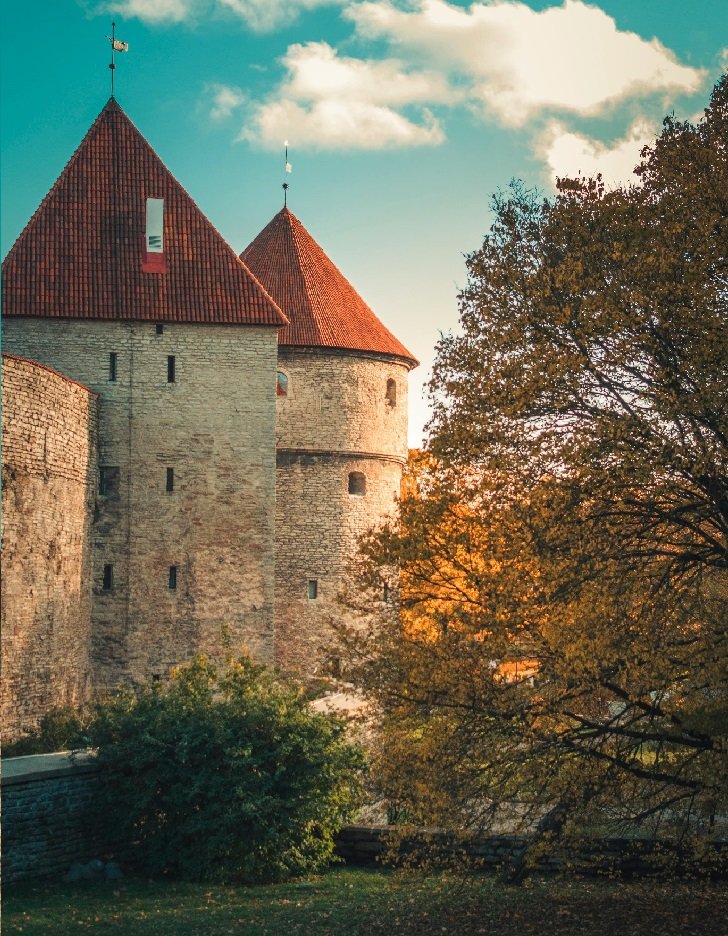
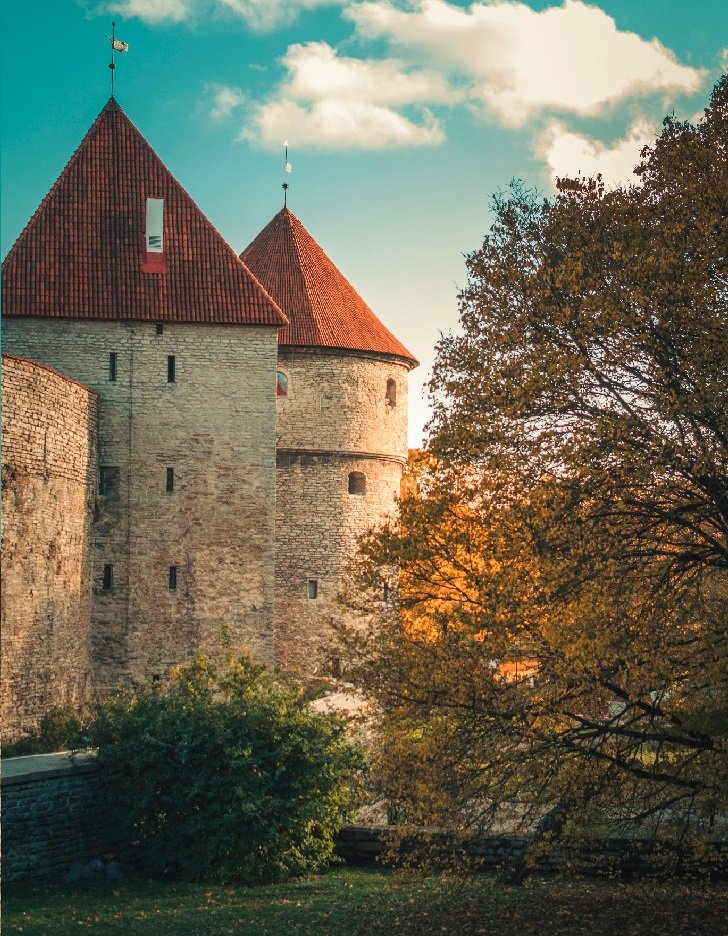
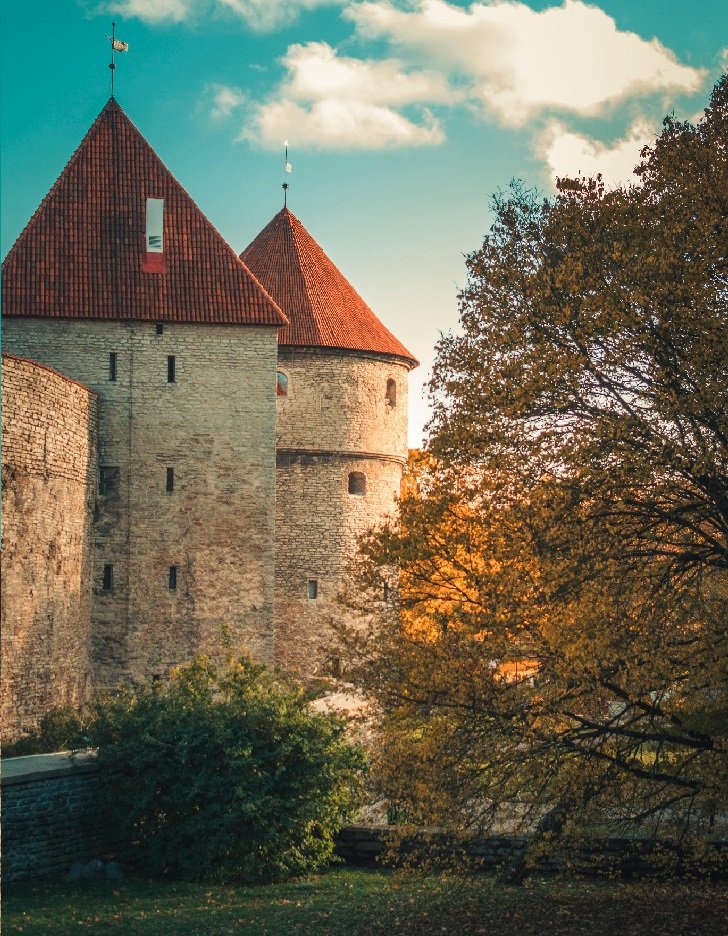
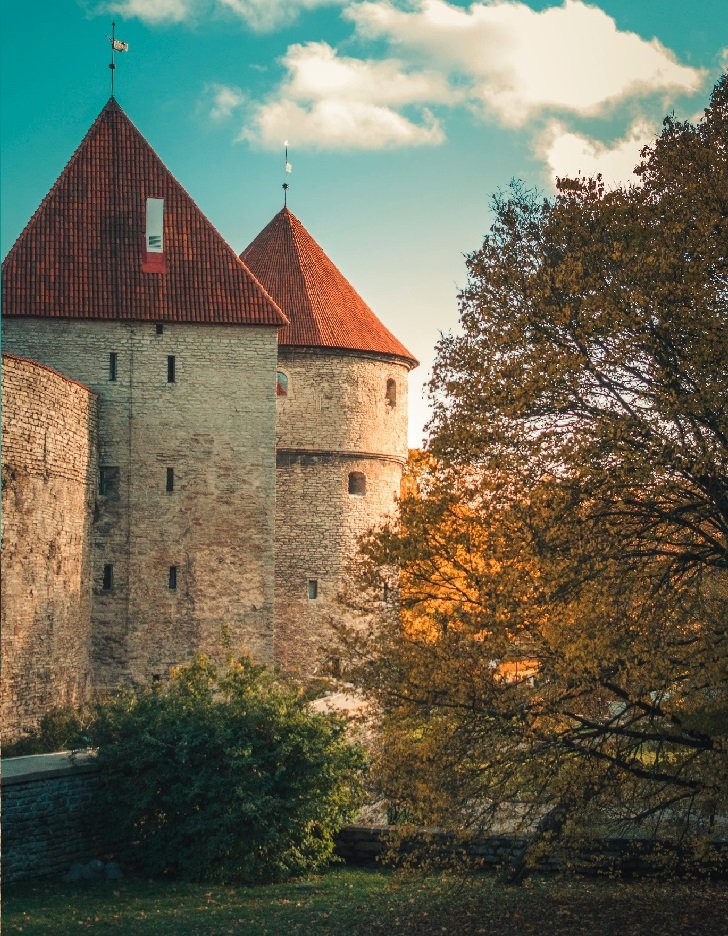
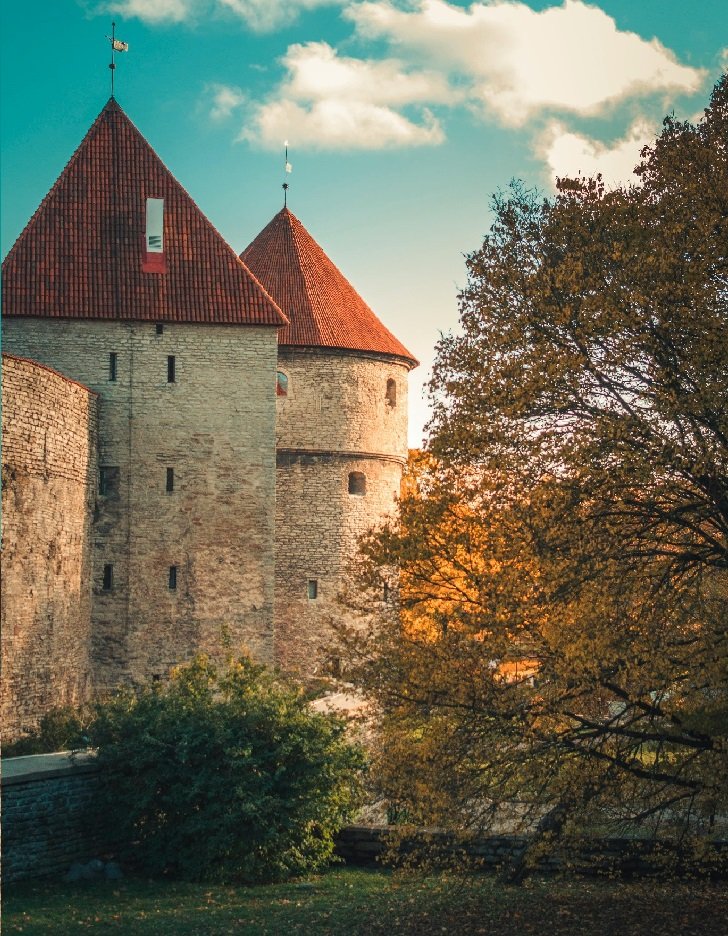
Estonia, officially the Republic of Estonia, is a country in the Baltic region of Northern Europe. It is bordered to the north by the Gulf of Finland across from Finland, to the west by the Baltic Sea across from Sweden, to the south by Latvia, and to the east by Russia. The territory of Estonia consists of the mainland, the larger islands of Saaremaa and Hiiumaa, and over 2,300 other islands and islets on the east coast of the Baltic Sea. Its capital city of Tallinn, along with the city of Tartu, are the country's two largest urban areas. The Estonian language, of the Finnic family, is the official language and the first language of the majority of nearly 1.4 million people. Estonia is one of the least populous member states of the European Union.
- Population: 1,350,000+
- Area: 45,228 km²
- Coordinates: Latitude: 59.416667938232, Longitude: 24.75
- Timezone: Timezone info not available
- Current Local Time: ailab
Latest Estonia News
news | ERR
New four-lane highway section opens in Rapla County
The first stretch of an upgraded highway in central Estonia opens to traffic on Friday.
news | ERR
Progress made on Tapa-Tartu electrification, though Valga line will have to wait
Despite being behind schedule, work is ongoing to electrify a stretch of rail line between Tartu and Tapa.
Politics | ERR
Expert: Parties should push Estonian presidential race forward
Political communication expert Annika Arras said that although parties should step up public discussion about the presidential election, the potential candidate should be someone who genuinely wants to run.
Politics | ERR
Justice chancellor: I have not agreed to any presidential nomination
Chancellor of Justice Ülle Madise has said she has not given her consent to be a presidential candidate ahead of this autumn's elections.
Society | ERR
Marine biologist: Water quality at Estonian beaches no cause for concern
A European Environment Agency report ranks Estonia's bathing water quality among Europe's poorest. However, a marine biologist says that does not mean the country's beaches are unsafe for swimming.
Society | ERR
Estonian cheesemaker Andre Farm pulls out of major supermarket chains
Andre Farm, a cheesemaker based in Tartu County, has stopped selling its cheese through most major retail chains, saying the retail sales system has become too costly.
Postimees
OTSEBLOGI ⟩ Šveits tegi Alžeeria vastu MMil suurepärase alguse
Eesti aja järgi reede hommikul kell 6 algavas MM-finaalturniiri 1/16-finaalis lähevad vastamisi Šveits ja Alžeeria. Postimees vahendab mängu otseblogis.
Postimees
OTSEBLOGI ⟩ Kas Eesti korvpallikoondis suudab Sloveenia alistada ka kodusaalis?
Eesti meeste korvpallikoondis võõrustab MM-valiksarja juulikuu akna avamängus Unibet Arenal Sloveeniat. Järgmisele etapile pääsemiseks on võit hädavajalik ning Eestil on ka selge võimalus seda võtta. Postimees teeb kell 19 algavast mängust otseblogi.
BBC News
'Most massive' Russian attack on Kyiv kills at least 27
The latest barrage deployed the largest number of weapons on the capital and hit locations over a wide area.
BBC News
Vatican excommunicates followers of global Catholic sect
Around 600,000 followers of the Society of Saint Pius X, a Catholic sect, are affected.
BBC News
'We give up to £400': How much should you gift at a wedding?
Wedding lists are being replaced by cash requests, but guests are divided over how much to give.
BBC News
Pubs allowed to stay open until 5am for England Mexico match
The government had initially said it would not relax licensing laws further for the World Cup.
POLITICO
Can NATO allies avoid a clash with Trump in Ankara?
Listen on Spotify Apple Music Amazon Music Despite all the backslapping and glad-handing, transatlantic tensions are never far from the surface at the annual gathering of NATO leaders. It’s unlikely to be any different when they gather in Ankara next week. Sharp differences over burden-sharing and defense spending, and U.S. complaints about its allies’ lack of involvement in re-opening the Strait of Hormuz, are likely to come to the fore. EU leaders hope the summit will help steady transatlantic relations, but will President Trump be in listening mode when he arrives in Turkey? On this week’s Brussels Playbook Week Ender podcast, Peter Snowdon talks to Estonia’s Defense Minister Hanno Pevkur, who is rapidly increasing his country’s defense budget and capabilities, while Anne McElvoy catches up with POLITICO’s NATO reporter Victor Jack, who has been finding out what’s happening behind the scenes at NATO headquarters. Questions? Comments? Send us a voice note or message us on WhatsApp here or at +32 491 05 06 29. **A message from Salesforce: This podcast is brought to you by Salesforce, the world's number one AI CRM. Salesforce's agentic AI helps businesses, governments, and institutions across Europe connect with customers and citizens in new innovative ways, building Agentic Enterprises where humans and trusted AI agents drive success together.**
POLITICO
Politics and football: How to play the game
LONDON — England is among the last 16 nations left in the World Cup after a tense win over the Democratic Republic of Congo, and hope is tentatively starting to spread that this tournament could finally end 60 years of hurt for the nation. This week’s Westminster Insider podcast explores the strange but powerful relationship between football and politics — and the unwritten rules politicians should follow if they want to use the unique emotional power of the beautiful game to their advantage. 1. Get your timing right It looks highly likely that Andy Burnham will become Britain’s new prime minister on July 20 — just one day after the World Cup final. If England were to lift the trophy, Burnham’s first day in office would coincide with a wave of national euphoria. History suggests this could be somewhat helpful to a new prime minister. Ten days before England’s 1966 World Cup triumph, then Labour Prime Minister Harold Wilson had introduced an emergency package of tax rises and spending cuts as Britain grappled with inflation and economic pressure. Morale was low. Then came Geoff Hurst’s hat-trick and England’s glorious win over West Germany. England’s victory at Wembley gave the country a huge psychological lift — and boosted the standing of the government. Richard Crossman, then leader of the House of Commons, said in his diaries there was “a big change in Harold’s personal position.” But if Burnham is hoping for a well-timed World Cup-inspired polling boost on arrival, he should be aware that there are obvious risks if England doesn’t go all the way. In 1970, Wilson had hoped another deep England run would help create a feel-good factor before a general election. Instead, England surrendered a two-goal lead to West Germany in the quarter-finals just four days before polling day. After canvassing between the result and polling day, then Home Secretary Roy Jenkins reported that voters were despondent — less about the economy or immigration — but about who was to blame for England’s defeat. Wilson lost to Ted Heath’s Conservatives. The electoral impact of the 1970 World Cup disappointment is still the subject of debate, though an intriguing fact has only added to the folklore: English voters swung more towards the Conservatives than Scotland and Wales. 2. Be authentic No discussion of the potential peril of mixing football and politics is complete without mentioning David Cameron. The former prime minister — supposedly an Aston Villa supporter — famously claimed to support West Ham during the 2015 election campaign. He later blamed a “brain fade” — but the damage was done. Scarlett McGwire, political commentator and former Labour adviser, says authenticity is everything. “One of the reasons it’s so important for politicians to be authentic is there’s this myth that politicians always lie,” she says. “If they’re not authentic, people think: if they’re lying about this, they could be lying about everything.” England captain, Bobby Moore with strikers Martin Peters and Geoff Hurst after winning the 1966 World Cup final at Wembley Stadium. | BIPPA/Central Press/Hulton Archive/Getty Images Football fans can smell performative fandom instantly. Reform UK leader Nigel Farage recently faced criticism after posting what appeared to be recycled football content from Euro 2024 during this World Cup. Writer and journalist Adrian Goldberg says when politicians are genuine fans “football can just be a little bridge between the electorate and the prime minister.” Although this didn’t seem to help genuine Arsenal supporter Keir Starmer. 3. Remember the home nations Navigating football loyalties across the United Kingdom is hard. McGwire recalls former Prime Minister Gordon Brown’s advisers deciding he was “too Scottish.” “[They] decided to get the Daily Mail in and he had to cheer on the English team. It was completely set up. Nobody believed it,” she recalls. Scottish Labour backbench MP Brian Leishman — a long-suffering supporter of the Tartan Army — is less concerned about courting England fans. “It would be intolerable if England won the World Cup,” he says. “I would hate it.” That result could boost support for Scottish independence, he adds — only half-jokingly. 4. There is no single football audience Football teams are cheered on by a wide range of people — from younger fans to older traditionalists, England obsessives to club loyalists, politically engaged supporters to those who simply want politics kept out of the game. That makes targeting your desired crowd crucial. Chancellor Gordon Brown, who was later seen by his advisers as too Scottish, holds the original football from England’s 1966 World Cup victory with German Finance Minister Peer Steinbrueck in 2006. | Peter Macdiarmid/Getty Images Labour MP Kim Leadbeater sees football primarily as a force for connection. “It’s a powerful opportunity to show the kind of country we are,” she says. “The very best of people coming together.” But she warns against over-politicization. “Let’s use sport for good,” she says. For politicians, that balancing act is becoming harder as football increasingly overlaps with wider culture-war debates. Goldberg reckons the controversy over players “taking the knee” during the Black Lives Matter protests in the early 2020s left fans on the terraces divided. “There were some fan bases where taking of the knee was booed, there were others where it was embraced and others where fans were kind of somewhere in the middle around that,” he says. “I’d say there was a substantial core of supporters who felt somehow uncomfortable about it,” he adds. Farage and his Reform UK party appear to be seeking the support of football fans with a campaign of turquoise football shirts, and visits to clubs like Ipswich Town. 5. It’s more than a game Football is never just football. Playwright James Graham, creator of the hit play and BBC TV series Dear England, argues politicians often underestimate football’s deeper social importance. He says that football matters not just every two or four years during major tournaments, but every single week, shaping people’s routines, their communities and even their identities. Amid the “hollowing out” of British civic life — declining high streets, weakened public spaces and fractured communities — the football stadium is one of the few places left where people still gather physically and collectively, he says. When people support their club, they are investing in something bigger than themselves: shared rituals, symbols, songs and belonging. “You have to turn up in person and in proximity with your physical community,” he says. Graham argues that politicians who understand this are more likely to connect to voters in what he sees as an age of growing disconnection, as people’s lives are increasingly shaped by AI, growth targets and digital life. On whether Football’s Coming Home, Graham didn’t miss a beat: “Of course.”
Al Jazeera – Breaking News, World News and Video from Al Jazeera
Iran warns ships against using unapproved routes in Strait of Hormuz
Military command issues threat a day after Qatari mediators hailed 'positive progress' in indirect US-Iranian talks.
Al Jazeera – Breaking News, World News and Video from Al Jazeera
Who are the rogue bishops defying Pope Leo XIV?
A rebel group of Roman Catholics has ordained its own bishops in direct defiance of Pope Leo XIV and the Vatican order.
Europe | The Guardian
Man accused of ordering Daphne Caruana Galizia murder paid hitmen’s legal fees, court hears
Yorgen Fenech said to have spent €400,000 on fees for men convicted of car bombing that killed investigative journalistA businessman accused of commissioning the murder of the Maltese journalist Daphne Caruana Galizia spent more than €400,000 (£343,000) on legal fees for the hitmen convicted of her killing, prosecutors claim.Yorgen Fenech, the 44-year-old heir to one of Malta’s largest fortunes, arrived in court for the second day of his trial on Thursday in an unmarked armoured police vehicle. He is on house arrest having pledged a record bail estimated at €50m. Continue reading...
Europe | The Guardian
‘Truly international’ network of drug-facilitated rape uncovered by UK crime agency
NCA says offenders arrange to sexually assault and film victims via online networks with crimes often taking place in trusting relationshipsCriminal investigators in the UK say they have uncovered a “truly international network” of organised drug-facilitated sexual assault in which victims are sedated before being raped and sexually assaulted.The National Crime Agency [NCA] has said online networks, “many as yet unidentified by law enforcement”, were allowing offenders to arrange to rape and abuse victims or arrange for sexual assaults to be filmed. Continue reading...
Europe
Burnham insists he will be disciplined with UK public finances
Prime minister in waiting says he will stick by Labour’s manifesto promises on tax
Europe
Russia unleashes huge bombardment on Kyiv
Attack with 74 missiles and nearly 500 drones follows Zelenskyy’s warning that Moscow was preparing ‘massive strike’