General Information
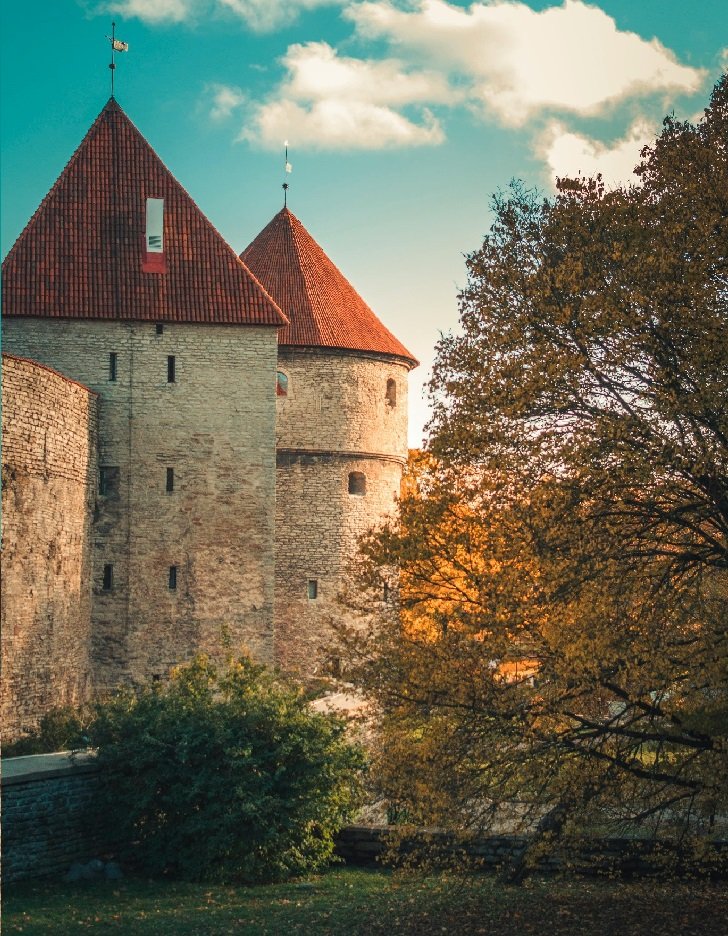
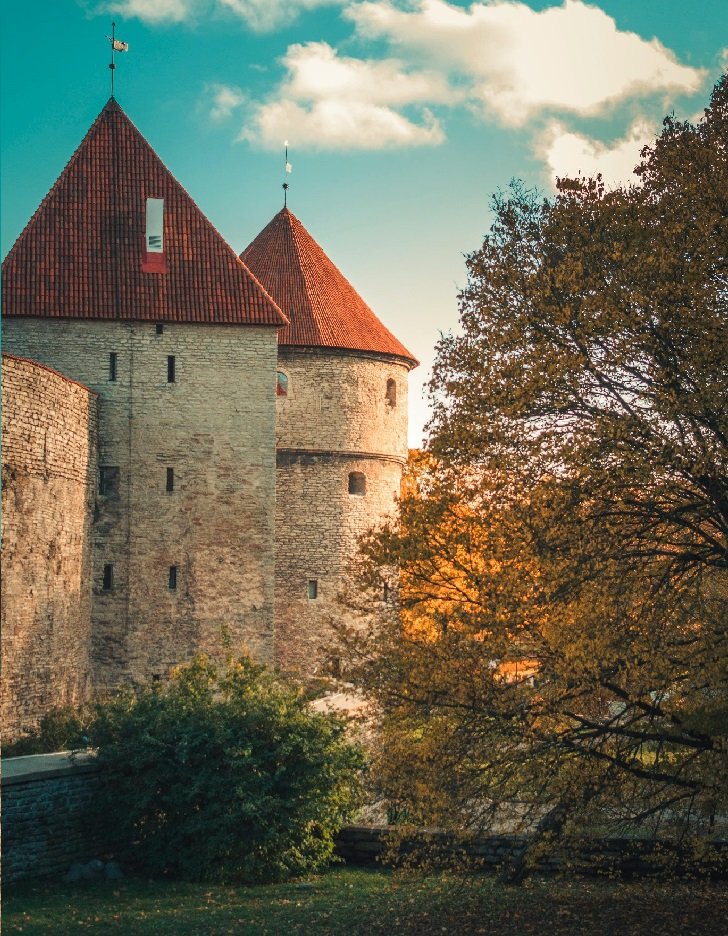
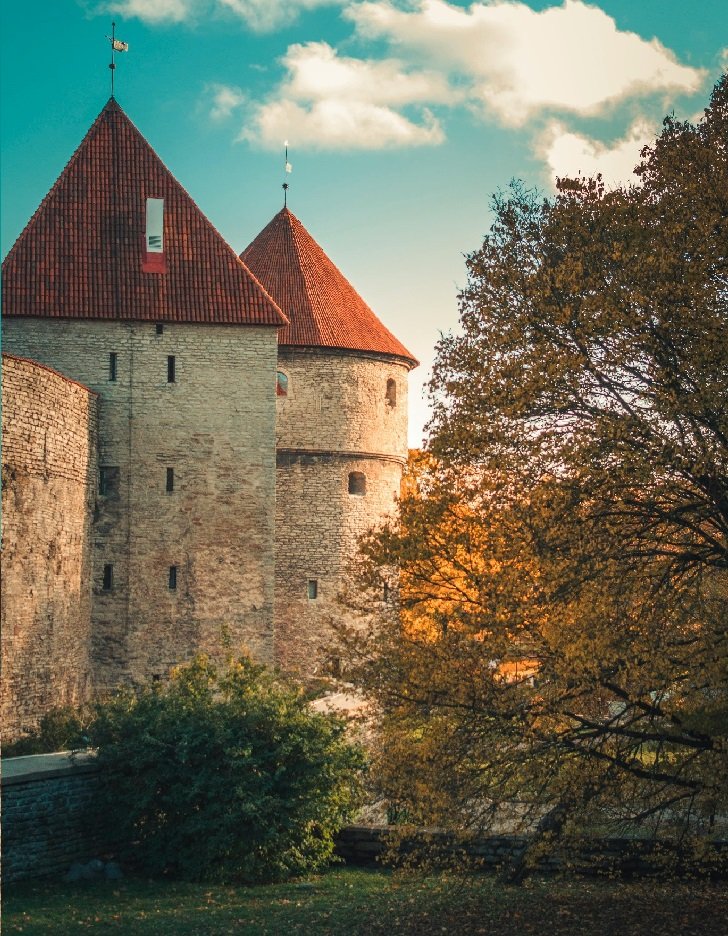
Estonia, officially the Republic of Estonia, is a country in the Baltic region of Northern Europe. It is bordered to the north by the Gulf of Finland across from Finland, to the west by the Baltic Sea across from Sweden, to the south by Latvia, and to the east by Russia. The territory of Estonia consists of the mainland, the larger islands of Saaremaa and Hiiumaa, and over 2,300 other islands and islets on the east coast of the Baltic Sea. Its capital city of Tallinn, along with the city of Tartu, are the country's two largest urban areas. The Estonian language, of the Finnic family, is the official language and the first language of the majority of nearly 1.4 million people. Estonia is one of the least populous member states of the European Union.
- Population: 1,350,000+
- Area: 45,228 km²
- Coordinates: Latitude: 59.416667938232, Longitude: 24.75
- Timezone: Timezone info not available
- Current Local Time: ailab
Latest Estonia News
news | ERR
Mass publication of data on deceased persons makes historians' work easier
In September, the Ministry of the Interior began publishing, as open data, the names, birth and death dates, and personal identification codes of deceased persons. For historians and name researchers, machine‑readable data makes research easier.
news | ERR
Survey: most employees handle personal matters during working hours
A CV.ee survey shows that the strict line between working time and personal time has long blurred in many workplaces.
Politics | ERR
Martin Mölder: Politicians' battle over attention and memory
The opposition wants voters under no circumstances to forget what happened in the previous elections — namely broken promises and the hiding of their real political intentions, notes Martin Mölder.
Politics | ERR
Higher‑ranking civil servants set for another pay rise
Although Finance Minister Jürgen Ligi criticized the tone with which rescue workers and teachers demand higher pay, the salaries of higher‑ranking state employees rise every year without anyone needing to protest, because their pay increases are indexed.
Society | ERR
Mass publication of data on deceased persons makes historians' work easier
In September, the Ministry of the Interior began publishing, as open data, the names, birth and death dates, and personal identification codes of deceased persons. For historians and name researchers, machine‑readable data makes research easier.
Society | ERR
Youth today have more chances to experiment, says Pärnu street artist
Pärnu street artist Kristjan Tamm, known as Kryptik, says young artists today have more legal chances to learn street art than when he first started more than 20 years ago.
Postimees
VÕIMAS! Markus Ilver säras Poola superkarikafinaalis pööraselt hea mänguga
Suvel Varssavi Legiaga liitunud Markus Ilver tegi Poola korvpalli superkarikafinaalis hiilgava esituse, kui kerkis 110:96 võidumängus Zielona Gora vastu üleplatsimeheks.
Postimees
VIDEO ⟩ Inglite aja toetus leidis uue tee abivajajateni: hoolduspere võttis vastu kaks geenirikkega last
Eelmisel aastal koguti Inglite aja saates abi ajukahjustusega tüdruku jaoks, keda kajastati saates Laurana. Abi jäi tema jaoks aga paraku hiljaks, sest tervisekahjustused olid pöördumatud. Tänaseks on see lugu saanud jätku, vahendab «TV3 uudised».
BBC News
'Scourge' of abuse must be rooted out, says Pope during Lourdes visit
Pope Leo spoke to bishops before leading a service attended by thousands of worshippers in France.
BBC News
German town bans 'stumbling stone' memorials to Nazi victims
Germany's education minister has branded the ban on the small brass memorial plaques a "scandal".
BBC News
Andy Burnham refuses to back third runway at Heathrow
Andy Burnham said he would wait for the results of a consultation on a scheme estimated to cost £33bn
BBC News
Faisal Islam: The two big decisions the chancellor must make
He must consider the longevity of Iran war economic pressures and how to sustain modest optimism, writes the BBC's Faisal Islam.
POLITICO
Burnham must be ‘selective’ in conference speech, says key ally
LIVERPOOL, England — Andy Burnham must be “selective” in the story he tells when he delivers his first conference speech as prime minister and Labour leader later this week, one of his closest allies said Sunday. In an interview in The POLITICO Pub, Steve Rotheram, mayor of the Liverpool City Region, said he’s seen a draft of Burnham’s speech, which he’ll deliver to Labour members Tuesday afternoon. “He’s going to have to be selective about the types of things that he wants to outline as a way forward,” Rotheram said, adding “there’s no way that in that one hour you can encapsulate everything that you want to talk about.” Rotheram said what the public will see is “somebody who will articulate their values and principles, and put them into a context of policy decisions that he will either announce or we will announce in the future around types of things that need to be done first.” The Liverpool mayor, who has run the city since 2017, praised Burnham’s opening weeks as prime minister for creating “lots of good news for us as Labour politicians to go out and campaign about.”
POLITICO
EU Commission calls on countries to cut energy demands as costs surge
The European Commission has told capitals to reduce demand for gas and electricity in a bid to tame prices amid a global energy crunch. “In the context of constrained global supply and high price volatility, demand reduction can be an effective tool to contain prices,” EU Commissioner for Energy and Housing Dan Jørgensen wrote in a letter to EU ministers, dated Sept. 25 and seen by POLITICO. In the letter, Jørgensen invites ministers to take measures to reduce demand for gas and electricity “for as long as necessary.” He argues that while the situation is “challenging”, there are “currently no immediate risks to security of supply.” Gas storage levels in Europe are currently at historic lows as the war in Iran disrupts global gas flows, which could set up the continent for an expensive winter. Storage levels currently sit at 68% of capacity, which is well below the 71% measured at the same period in 2021 — just before the start of a historic energy crisis in the wake of Covid-19 and the start of the war in Ukraine. The EU has a baseline target to have gas storage filled to 90% by the start of November, but some flexibility was granted on this in March, allowing countries to aim for 80% this year to avoid panic buying and alleviate costs. Measures taken by EU countries to regulate prices should be “well-targeted” and “temporary”, Jørgensen’s letter reads, to avoid a surge in demand.
Al Jazeera – Breaking News, World News and Video from Al Jazeera
‘Iran ready for doomsday war’, FM Araghchi says
Foreign Minister Abbas Araghchi says Iran is prepared for war to resume, ‘even if it comes to a doomsday war’.
Al Jazeera – Breaking News, World News and Video from Al Jazeera
Mike Waltz: US offered to sell Iran uranium for civilian programme
US ambassador says Iran refused to agree to an arrangement where uranium would be supplied by Washington.
Europe | The Guardian
Pope Leo urges healing of ‘deep wounds’ before meeting child sexual abuse survivors in France
Pontiff also uses visit to Catholic shrine at Lourdes to criticise assisted dying as ‘false compassion’The pope has called on the Catholic church to heal “deep wounds” and “painful errors”, before a meeting with survivors of child sexual abuse as he continues his four-day visit to France.Addressing a crowd in a large field near the Catholic shrine of Lourdes on Sunday, Pope Leo XIV called on the church to reckon with its past, without directly referencing sexual abuse scandals in France that affected at least 330,000 children over seven decades. Continue reading...
Europe | The Guardian
Swiss voters reject stricter neutrality rules that would have curbed Nato cooperation
70% vote against tightening centuries-old neutrality, which far right said was being eroded by sanctions against RussiaSwiss voters have decisively rejected a proposal for a strict definition of neutrality that would have required Switzerland to curb cooperation with Nato and abandon sanctions against Russia.All cantons and about 70% of voters rejected the proposal for a strictly defined version of neutrality to be written into the Swiss constitution, final results from the Federal Statistical Office showed. The motion had been promoted by the far-right Swiss People’s party (SVP). Continue reading...
Europe
Burnham signals he will fight election on tax rises to fund social care reform
Prime minister says shake-up would be ‘hard’ to do in current parliament
Europe
Northern Ireland in tense stand-off as protests block Orange Order parade
March unable to proceed as police say they cannot facilitate Protestant route down largely Catholic road
.jpg)